
Uncover the Science Behind Cooking + Fermentation Fundamentals
Welcome to our exploration of the fascinating world of cooking and fermentation! In this article, we will delve into the science behind these culinary processes and uncover the fundamentals of fermentation. Whether you're a seasoned chef or a curious food enthusiast, understanding the science behind cooking and fermentation can elevate your culinary creations to new heights.
The Science of Cooking
Cooking is not just an art; it's a science. The transformation of raw ingredients into delicious dishes involves a series of chemical reactions and physical changes. Understanding the science behind cooking can help you control factors such as temperature, time, and ingredients to achieve the desired results.
Maillard Reaction
One of the key processes in cooking is the Maillard reaction. This chemical reaction occurs between amino acids and reducing sugars when exposed to heat, resulting in the browning of foods and the development of complex flavors. The Maillard reaction is responsible for the delicious crust on a seared steak or the golden-brown color of freshly baked bread.
Emulsions and Molecular Gastronomy
Emulsions play a crucial role in cooking, where ingredients that don't naturally mix are combined into stable, uniform mixtures. Molecular gastronomy takes cooking to the next level by exploring the physical and chemical transformations of ingredients to create innovative textures and flavors.
Fermentation Fundamentals
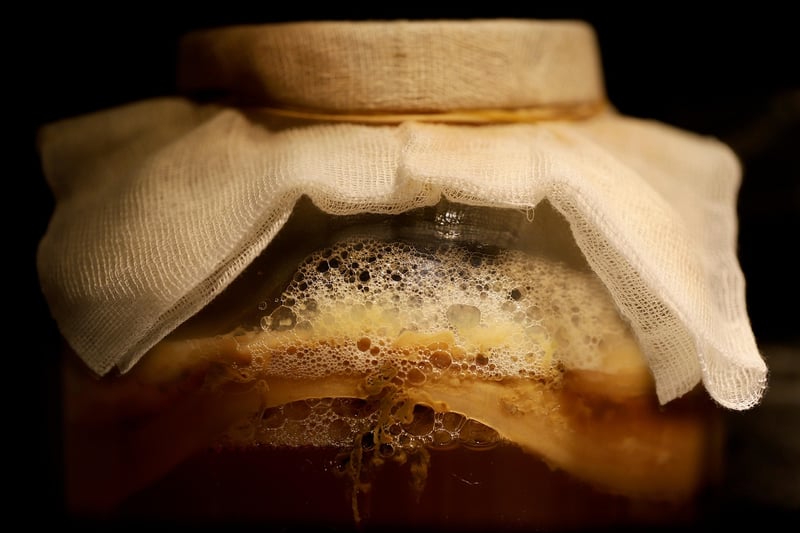
Fermentation is a natural process that transforms raw ingredients into unique flavors and textures through the action of microorganisms like bacteria and yeast. From artisanal cheeses to tangy sourdough bread, fermentation is at the heart of many beloved foods.
The Role of Microorganisms
Microorganisms such as bacteria and yeast play a vital role in fermentation by breaking down carbohydrates and proteins in food, producing acids, gases, and alcohol as byproducts. These transformations not only preserve food but also enhance its flavor and nutritional value.
Types of Fermentation
There are various types of fermentation, including lactic acid fermentation, which is responsible for yogurt and sauerkraut, and alcoholic fermentation, which produces beer and wine. Each type of fermentation relies on specific microorganisms and conditions to achieve the desired end product.
Exploring the Science of Food
By understanding the science behind cooking and fermentation, you can experiment with new techniques, flavors, and ingredients in your kitchen. Whether you're fermenting your own kombucha or perfecting the sear on a steak, the science of food opens up a world of culinary possibilities.
So, roll up your sleeves, grab your apron, and embark on a journey into the science of cooking and fermentation. Your taste buds will thank you!

Learn more about the science of cooking and fermentation here.